W5 Bulky Rubbish Clearance Near Ealing Broadway Station: A Practical Local Guide
If you are trying to clear a sofa, broken wardrobe, old office chairs, or a heap of mixed household junk near Ealing Broadway station, you probably want the same thing most people want: a straightforward service that turns up on time, clears the space properly, and does not leave you juggling bags on a busy pavement. That is exactly where W5 bulky rubbish clearance near Ealing Broadway station becomes useful. In a part of West London where flats, shops, managed buildings, and busy side streets all sit close together, bulky waste removal is rarely just about lifting heavy items. It is about access, timing, safety, and making sure the job is handled without hassle.
This guide explains how bulky rubbish clearance works in W5, who needs it, what to expect, how to avoid the usual headaches, and which service choices make the most sense depending on your situation. Let's face it, the wrong clearance plan can turn a tidy-up into a half-day of stress.
Why W5 bulky rubbish clearance near Ealing Broadway station Matters
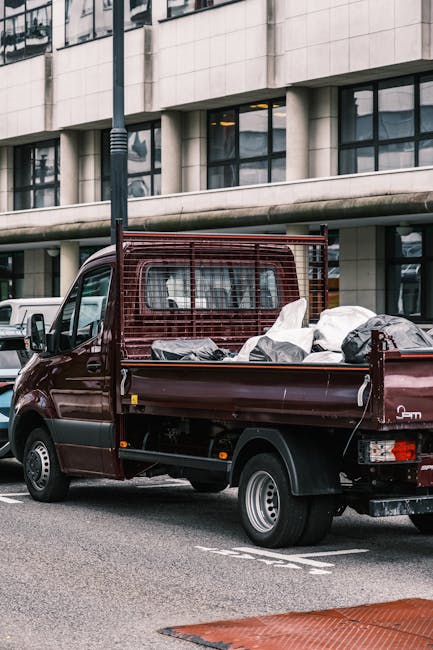
Bulky rubbish is anything too large, awkward, or heavy for normal household bins. Think wardrobes, mattresses, broken desks, old white goods, dismantled flat-pack furniture, garden debris in large sacks, or the contents of a garage that has quietly become a storage cave over the years. Around Ealing Broadway station, those items are often harder to deal with than they look because of stairs, limited parking, narrow entrances, lift access rules, and the general reality of a busy London neighbourhood.
In W5, timing matters more than people expect. If you live in a flat above a shop, or on a street with quick turnover and tight kerb space, leaving bulky items outside for too long can create complaints, block access, or attract fly-tipping. You do not want a mattress sitting on the pavement overnight because "the van will come tomorrow." That is the sort of thing that sounds manageable until it is raining at 7am and the whole street is in motion.
Clearance also matters for safety. Heavy furniture can scratch floors, trap fingers, and cause awkward lifting injuries. Even small jobs can be risky when someone tries to move a bulky item alone. A proper service is not just convenience; it is often the safer, cleaner, and less disruptive option.
Expert summary: Good bulky rubbish clearance is not only about removing items. It is about removing them at the right time, in the right way, with minimal disruption to neighbours, building access, and your own day.
For anyone comparing service types, it helps to understand the broader options available on the site, including waste removal, furniture clearance, and furniture disposal. Each one suits slightly different situations, and that distinction saves time.
How W5 bulky rubbish clearance near Ealing Broadway station Works
Most bulky rubbish clearance jobs follow a simple pattern, though the details vary depending on access, item size, and whether the waste is mixed or single-category. In practice, a local clearance team will usually ask what needs removing, where the items are located, and whether there are any access issues such as stairs, lifts, permit bays, loading restrictions, or a need to protect communal hallways.
Once the job is booked, the team arrives with the right vehicle and lifting equipment, assesses the items on arrival, confirms the load, and removes everything in one go or in stages if the property is tricky. If there are dismantling needs, such as taking apart a bed frame or cupboard, that is typically handled there and then. You will notice this matters more than people think. A wardrobe that looks "easy enough" in the lounge can become a very different beast when it meets a staircase.
For mixed loads, clearance teams often separate reusable items, recyclable materials, and general waste. That sorting step is one of the reasons a professional service feels cleaner than a self-managed tip run. It also gives you a clearer sense of what is being removed and how much space is being freed up.
If the bulky rubbish came from a renovation or strip-out, the job may overlap with builders waste clearance. If it came from a shop or office near the station, then business waste removal or office clearance may be the better fit.
Typical bulky items cleared in W5
- Sofas, armchairs, and recliners
- Beds, mattresses, divan bases, and headboards
- Wardrobes, drawers, shelving, and cupboards
- Desks, filing cabinets, and office seating
- Old appliances such as fridges, freezers, and washing machines
- Garage clutter, heavy boxes, and mixed junk
- Garden furniture, fencing offcuts, and large outdoor items
Key Benefits and Practical Advantages
The main advantage is simple: you get the space back without the strain. But there is more to it than that, especially in a station-adjacent part of West London where convenience is only one part of the equation.
1. Faster turnaround. A well-organised bulky clearance can usually be completed much more quickly than a self-managed clear-out. No waiting for a friend with a van. No multiple trips. No awkward Sunday afternoon loading by hand while the clock runs away from you.
2. Less physical effort. Large items are fiddly, and fiddly is where injuries happen. Professionals do the heavy lifting, and in a decent setup they also bring the tools needed to dismantle items when required.
3. Better access handling. Near Ealing Broadway station, properties often involve shared entrances, narrow staircases, or parking restrictions. A local team should know how to work around those realities rather than pretending they do not exist.
4. More suitable for mixed loads. If you have furniture, bags, and a few odd bits from a loft or garage, a single clearance visit can be more efficient than booking separate removals. This is where the range of services matters. A home clearance may suit general household clutter, while garage clearance fits the classic "pile of forgotten stuff" scenario.
5. Better final presentation. After a proper bulky clearance, the property usually feels calm again. Not just empty. Calm. That is the real payoff, honestly. The room stops shouting at you.
6. More predictable disposal. Using a responsible clearance provider helps reduce the risk of items being dumped illegally or handled carelessly. If sustainability matters to you, you may also want to look at the company's approach to recycling and sustainability.
Who This Is For and When It Makes Sense
This kind of service is useful for a wide range of people, not just homeowners doing a once-a-year spring clear-out. In fact, some of the most common W5 bulky rubbish jobs happen because everyday life gets out of hand a bit. One broken sofa becomes two chairs, then a lamp, then a box of cables, and before you know it the spare room is doing a very poor impression of a storage unit.
It makes sense if you are:
- moving home and need large items removed quickly
- replacing furniture and want the old set taken away
- clearing a flat, rental, or shared property
- emptying a loft, garage, or basement
- dealing with end-of-tenancy clutter
- refreshing an office or small business premises
- managing a bereavement or inherited property
- preparing a property for sale, letting, or refurbishment
For smaller internal spaces, flat clearance is often the most suitable option. For larger domestic jobs, a house clearance or loft clearance may be more efficient.
There is also a practical timing question: do you need the items gone now, or do you need them gone neatly and carefully around access restrictions? If it is the latter, take a little more time choosing the right team. Quick is good. Controlled is better.
Step-by-Step Guidance
If you want the job to go smoothly, it helps to prepare in a simple, sensible order. Nothing fancy. Just a bit of planning before the van arrives.
- List the items. Write down the main bulky pieces, approximate quantities, and anything that is fragile, heavy, or awkward.
- Check access. Measure hallways, stair turns, and lift dimensions if relevant. If a mattress has to come down a narrow stairwell, it is better to know that before collection day.
- Separate what is staying. This sounds obvious, but people often forget a chair, a cable box, or a bag of personal papers in the middle of the clear-out.
- Decide whether dismantling is needed. Beds, wardrobes, and some office furniture usually move better when broken down first.
- Group items by location. Keep everything as accessible as possible without blocking exits or communal areas.
- Ask about disposal handling. It is sensible to understand whether reusable items, recyclable materials, and general waste are sorted separately.
- Confirm the final scope on arrival. Loads sometimes change on the day. That is normal. A good provider will review the actual job before starting.
If the clutter is spread across the property, it can help to create a simple room-by-room order: hallway, living room, bedrooms, loft, then storage areas. That way you are not darting around the flat searching for the last chair leg while the team waits in the corridor. Been there, seen that. It never feels elegant.
Expert Tips for Better Results
Over time, a few habits make bulky rubbish clearance smoother and usually cheaper in practice, because the job takes less time and fewer surprises. The first tip is to be honest about the load. If you understate what needs removing, the plan often falls apart halfway through. Better to say, "there are six big items, three bags, and maybe some extra bits in the cupboard," than to pretend it is just "a few things."
Second, be clear about what is not rubbish. Sometimes a customer wants one wardrobe cleared, but there is a second one they intend to keep. Marking items with tape or a note can save confusion. It sounds tiny, but tiny details stop big mistakes.
Third, think about timing. Early morning or midweek bookings can be easier around the station area because foot traffic, loading pressure, and communal access are often simpler. Of course, this depends on your building rules and your own schedule.
Fourth, take photos before you book if the job is complex. Not because anyone wants a photo album of your spare room, but because pictures help estimate access and volume more accurately. You can also use those photos when requesting a price and quote discussion.
Finally, ask how the team handles recycling and re-use. A careful operator should be able to explain the process in plain English, without dressing it up. That kind of clarity is a good sign.
Useful rule of thumb: If a bulky item feels awkward for one person to move safely, it is usually not worth improvising. Get help or plan a professional lift.
Common Mistakes to Avoid
Most clearance problems come from a short list of mistakes. Fortunately, they are easy to avoid once you know what they are.
- Leaving the booking too late. This is especially common when moving out. The result is rushed decisions and poor access planning.
- Underestimating the volume. A "small" garage clear-out can become a full load once you start moving things around.
- Blocking the route. If the hallway is full of extra bags, boxes, and a bicycle, removing bulky furniture gets slower and messier.
- Forgetting building rules. Some blocks have quiet hours, lift reservations, or parking restrictions. Ignore those and the whole job gets awkward.
- Assuming every item can be handled the same way. Mattresses, appliances, furniture, and mixed waste can require different handling.
- Choosing only on price. Cheap sounds great until the service turns up unprepared or leaves you with unfinished work. A bargain can turn sour quickly.
There is also a common emotional mistake: keeping too much out of guilt or indecision. Truth be told, a lot of bulky clutter stays in homes because people feel they "should" deal with it later. If it has been sitting there for six months and you do not actually use it, maybe it is time. No judgement.
Tools, Resources and Recommendations
You do not need a huge toolkit for bulky rubbish clearance, but a few practical items can make the process much easier. A tape measure is genuinely useful for checking whether a wardrobe will pass through a doorway. Gloves help if you are moving lighter pieces yourself before collection. A trolley can be useful for short internal moves, though it is not always practical on stairs.
For planning, a phone camera is your best friend. Snap each room before and after grouping items. That helps you see what is actually leaving and what is still tucked away. It also avoids the classic "I thought that was going too" moment.
If your items are mainly furniture, furniture clearance or furniture disposal may be the most relevant direction. If you are clearing outdoor clutter, garden clearance can be a better fit. For properties with lots of mixed domestic contents, home clearance is often the cleanest all-round option.
In a station area, building access matters too, so it is sensible to have the building's basic rules to hand. Even if you are not formally reserving a bay or lift, knowing what the limits are can save time. A little preparation goes a long way, especially when the street is busy and everyone is in a hurry.
Law, Compliance, Standards, or Best Practice
With bulky rubbish clearance, the safest approach is to follow normal UK waste-handling best practice. That usually means making sure waste is collected by a responsible operator, keeping items out of communal walkways, and avoiding fly-tipping at all costs. If you are a landlord, tenant, or business owner, there may be additional duties under your tenancy, lease, or business arrangements, so it is wise to check those before leaving items outside.
In practical terms, the important things are:
- do not obstruct footpaths, entrances, or shared access areas
- store waste securely until collection
- separate items if requested or if it improves recycling outcomes
- use a provider that can explain how waste is handled
- keep records if you are arranging removal for a business or managed property
If you are dealing with commercial premises, the standards can be a bit more formal, especially around timing, access, and paperwork. That is where a service like business waste removal becomes particularly useful. It keeps the process tidy, which matters more than people realise in office or retail environments.
For trust and safety, it is also worth reviewing the company's published approach to health and safety, insurance and safety, and terms and conditions. Plainly put, if a provider is open about how it works, that is a reassuring sign.
Options, Methods, or Comparison Table
There is no single best method for every situation. The right choice depends on volume, access, urgency, and what sort of waste you are dealing with. Here is a simple comparison to help you think it through.
| Option | Best for | Pros | Watch out for |
|---|---|---|---|
| Self-manage to the tip | Very small loads and easy access | Can suit a light clear-out if you already have transport | Time-consuming, lifting risk, multiple trips, parking and loading hassle |
| Man-and-van style clearance | Bulky items, mixed domestic loads, flat clearances | Fast, flexible, good for awkward furniture | Needs clear instructions and accurate item listing |
| Full property clearance | Large homes, inherited properties, major declutters | Handles many room types in one visit | Best when you are ready to sort items before the team arrives |
| Specialist service by item type | Furniture, office, garden, or builders waste | More efficient when waste is fairly specific | May be less suitable for mixed loads unless combined carefully |
For a flat close to the station, a flat clearance is often the most practical route. For a long-postponed loft full of boxes, a loft clearance may be a better match. And if the job involves a shop-fit or renovation debris, builders waste clearance is the more logical category.
Case Study or Real-World Example
Picture a second-floor flat near Ealing Broadway station. The occupant is moving out, and the place still contains a three-seat sofa, a broken bedside cabinet, an old office chair, two mattresses, and a pile of boxes that have survived three house moves and are now mostly full of "important" old cables. There is a narrow communal stairwell, limited kerb access, and only a short window before a new tenant arrives.
In that situation, the best approach is not to start hauling things randomly. Instead, the bulky items are grouped by room, the most awkward furniture is identified first, and the route out of the flat is checked before lifting begins. If needed, the wardrobe doors are removed, and the sofa is handled by two people rather than one trying to become a hero. That never ends well.
By doing this in one planned visit, the flat is cleared quickly, the hallway is left tidy, and the property is ready for final cleaning. The real win is not just that the rubbish is gone. It is that the move-out feels manageable again, which is a big relief when you are already juggling keys, deposits, and all the usual moving-day noise.
That kind of job is exactly why local bulky rubbish clearance matters in W5. It fits the pace and pressure of the area rather than fighting against it.
Practical Checklist
Use this quick checklist before collection day. It keeps things simple.
- List every bulky item that needs removing
- Separate items that are staying
- Check stairs, lifts, entrances, and parking access
- Measure anything especially large or awkward
- Decide whether dismantling is required
- Keep hallways and exits clear
- Confirm building rules or quiet hours if relevant
- Group waste in one accessible area if safe to do so
- Take photos if the job is complex
- Ask how reusable and recyclable items are handled
- Keep contact details handy on the day
If you want to understand the business behind the service before booking, take a look at the company's about us page. If you are ready to talk through a specific clearance, the contact page is the obvious next step. A quick conversation can prevent a lot of guesswork.
Conclusion
W5 bulky rubbish clearance near Ealing Broadway station is really about making a complicated little job simple. When access is tight, timing matters, and the items are too large for a normal bin collection, a well-run clearance service gives you speed, safety, and peace of mind. That matters whether you are clearing one sofa or an entire flat's worth of forgotten furniture.
The best results usually come from clear planning, honest communication, and a service that understands local conditions. Keep access in mind, sort your priorities before collection day, and choose a provider that can explain how the job will be handled from start to finish. It is a small amount of prep for a much calmer outcome. And sometimes, honestly, that is enough to turn a stressful room into a usable space again.
Get a free quote today and see how much you can save.
When the clutter is gone and the room feels open again, you will wonder why you put it off for so long. It happens to nearly everyone.
Frequently Asked Questions
What counts as bulky rubbish near Ealing Broadway station?
Bulky rubbish usually means large household or commercial items that are too big for standard bins, such as sofas, beds, wardrobes, desks, mattresses, or awkward mixed junk. If it is heavy, oversized, or difficult to move safely, it probably counts.
Is bulky rubbish clearance better than taking items myself?
Often, yes, especially if you live in a flat, have limited parking, or are dealing with heavy furniture. Taking items yourself can work for small loads, but once stairs, lifting, and multiple trips come into play, a clearance service tends to be the easier option.
How do I know whether I need furniture clearance or a general waste removal service?
If the job is mainly sofas, beds, tables, or other household furniture, furniture clearance is a strong fit. If the load is mixed and includes general clutter, odd items, and household waste, waste removal may be more suitable.
Can you clear items from a flat with stairs and no lift?
Yes, that is very common in London. The key is to describe the access clearly when you book. Narrow stairwells, turning points, and shared hallways all affect how the job is planned.
What should I do before the clearance team arrives?
Separate the items that are leaving, keep pathways clear, check for anything fragile or personal, and make sure access is available. If some furniture needs to be dismantled, mention that ahead of time if possible.
How long does a bulky rubbish clearance usually take?
It depends on volume, access, and whether items need dismantling. A small load might be quick, while a full flat or office clear-out takes longer. The better the preparation, the smoother the job usually goes.
Is there a difference between flat clearance and house clearance?
Yes. Flat clearance is usually better for smaller, upper-floor, or access-sensitive properties, while house clearance is better for larger homes with more rooms or more items overall. The distinction helps match the team to the space.
What happens to the waste after collection?
That depends on the provider's process. Good practice usually involves sorting items for reuse, recycling, or responsible disposal where possible. If sustainability matters to you, ask how that process works before booking.
Are there special considerations for office rubbish near Ealing Broadway station?
Yes. Offices often have different access rules, security considerations, and mixed waste types such as chairs, desks, monitors, and filing cabinets. In those cases, office clearance or business waste removal is usually the more relevant route.
How can I avoid extra delays on the day?
Be accurate about the load, keep access routes open, and flag any unusual items in advance. If you live near the station, timing and parking can also matter, so it helps to be ready a little before the team arrives.
Is bulky rubbish clearance suitable for garden items too?
Yes, if the waste is mainly outdoor furniture, broken pots, fencing offcuts, or general garden clutter. For bigger outdoor jobs, garden clearance is usually the most relevant service type.
Where can I learn more about pricing and trust signals before booking?
Start with the company's pricing and quotes information, then review the pages on insurance and safety and recycling and sustainability. Those pages give you a better sense of how the service is run and what standards it follows.